Project Based Learning...Good for One, Good for ALL

We often talk about how a one-size-fits-all curriculum just doesn't work in education, but today I'm hear to share with you that one instructional practice. Project Based Learning, or PBL, IS good for one learner, but it's also good for ALL learners.
Project Based Learning is GREAT for all students. Visit this post on Adventures in Literacy Land to read about the research supporting it, benefits for students, and how to get started.
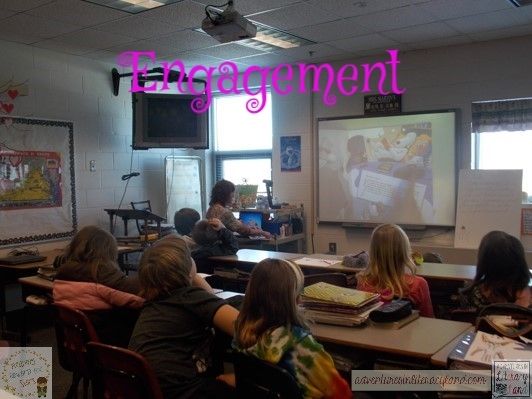
Recently, I was able to hear Nell Duke, a leading researcher in the area of reading, speak on the topic of engagement. We know that engagement is more important than ever with the increased demands our standards bring, and we know what happens when you give challenging work to students who aren't interested in doing it, right? ONE ANSWER...Project Based Learning.

Duke says, "If you care about kids' interests, skills, and background knowledge, you'll get better comprehension results." She cited Jerry Brophy's study on ways teachers motivate kids. According to his study, teachers should:
Model interest in learning
Induce curiosity and suspense
Make abstract concepts concrete through demo lessons
Make the lesson objective clear to the learner 
Provide informative feedback 
Adapt tasks to interests
Give choice for tasks 
How does Project Based Learning mesh with these?  Why does Duke feel PBL is the way to go? Well, she began by describing a PBL experience that was done with 3rd grade students. The teacher introduced the idea with a read aloud about pesky animals such as earthworms, spiders, bats, and snakes in the book, Animals Nobody Loves by Seymore Simon. (Would this build curiosity and suspense? Yes.)  
Then, the students selected animals that they wanted to research further. (Would this be adapted to student interest? Yes.) Once the research part was complete, the students were asked to persuade others to LOVE the pesky animal and create a project that demonstrated WHY they should. (Would this task allow choice? Yes.) (Will students get immediate feedback? Yes.) Doesn't this sound like fun? As she described this project, I thought about how excited my students would be doing a project like this. The most interesting point she made though was that this was offered to ALL students in a low SES school. The results were very, very positive, and here is why.

Project Based Learning...

takes an extended period of time
achieves a purpose beyond school requirements
uses different learning styles (building, creating, answer deep questions)
is interdisciplinary
offers choice and voice
integrates reading and writing
taps into student interests, beliefs, and attitudes
is linked to standards (research strand is ideal)
gives students purpose for reading
AND allows students to reach a NEW audience

We know when students have a deep desire to read challenging texts, motivation will help them push through to complete it. We also know that reading multiple texts on the same topic deepens understanding of the content as well as related vocabulary too, so there is certainly research to support using PBL with ALL students.

How to Get Started

To prepare for this post, I reached out to my blogging friends to find additional blog posts and resources that teachers could use. First, I'll share posts for additional reading. If you are just getting started, you are sure to have lots of questions. These posts will hopefully take care of those and help you see a few more PBL examples.

This post is from Matt at Digital Divide and Conquer, and if you visit Matt's blog, you'll find a plethora of resources as well as informational posts on PBL I liked this post for explaining step by step how to dig into it. It's a MUST read, and his PBL units have been recommended by several who have used them.

PBLArticle
This post from Performing in Education explains what PBL is, how it looks for teachers and students, what the process is, and (lucky you), it includes a sample resource. 

Cyndie at Chalk One Up for the Teacher has jumped into the PBL pond, and explained a PBL experience she had with her students. I just loved this example, and I know my students would love it too.  This one is a great example of PBL in the primary grades. Cyndie's students began with reading books in The Magic Treehouse series, and these books led to "inquiring minds". Having a leading question is important because it drives the exploration. Be sure to check this out if you're teaching grades 1-3.

Finally, I had to share this project from my friend, Sandy at Sweet Integrations. She has quite a few PBL sets in her store, and this post on her blog really caught my attention because we've read about the Iditarod with my fifth grade groups. The kids read Stone Fox in early fourth grade, so they had a little schema for dogsled racing. I had also used the book, Dogteam by Gary Paulsen for descriptive writing, and we had read a Close Reading article about the Iditarod too. Sandy's project would have been so perfect for them. (another year I guess) Anyway, she offers great ideas in her post about it if you think your students would be interested in learning more.


Free Sets to Get Started

Insect Intrigue, PBL SamplerShark Security Force! Project Based Learning:  Freebie EditionThe Leprechaun: Project Based Learning, Lucky Charm Edition
    
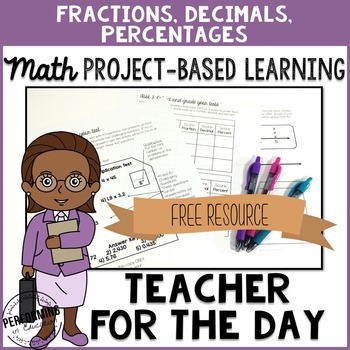
Project Based Learning - Holiday Tea   Project Based Learning: Teacher for a Day Fractions, Decim
Now, doesn't this sound like fun? Remember, Project Based Learning is not just a teaching idea for your Talented and Gifted students. Project Based Learning is a great technique for ALL. 

Have a great day, and I'll see you next month. 

Using Word Clouds as a Pre-Reading Activity


Do you use word clouds in your reading classroom?  Check out this post on how to use a word cloud of a picture book as a pre-reading activity with your students.  It’s a fun way to help students identify the topic, genre, important vocabulary, set a purpose, develop questions, and access prior knowledge before reading.
For whatever reason, I came across a pin of this item (below) in my Pinterest feed and it caught my attention.  
Do you use word clouds in your reading classroom?  Check out this post on how to use a word cloud of a picture book as a pre-reading activity with your students.  It’s a fun way to help students identify the topic, genre, important vocabulary, set a purpose, develop questions, and access prior knowledge before reading.
It's a word cloud from a 7th grade social studies teacher.  She makes a word cloud of her state's standards to share with her students at the start of the year so they can make inferences about what they will be learning.

I'm always looking for different ways to teach inferring, so I thought about how this could be used with younger students as a pre-reading activity.  I decided to make a word cloud with the text of a picture book to see if it would in fact pull out important words.  

I made two word clouds with two different spring themed books and I was pretty happy with how they turned out.  For the most part, they both seem to pinpoint the important vocabulary from the text and I think they definitely give students insight about the text they are about to read.
Do you use word clouds in your reading classroom?  Check out this post on how to use a word cloud of a picture book as a pre-reading activity with your students.  It’s a fun way to help students identify the topic, genre, important vocabulary, set a purpose, develop questions, and access prior knowledge before reading.
So how could you use these word clouds with younger readers during a pre-reading activity?  

Note: Since these texts are mostly nonfiction, I am focusing on those skills.  In the future, I'd like to try a fable or another genre and see what the results are.  

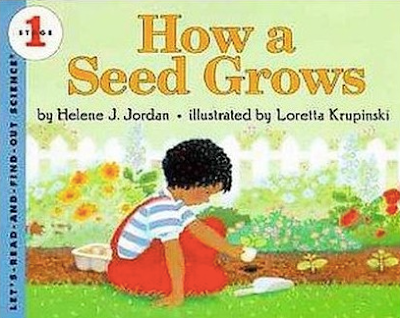
Identify the topic:  Easy right?!  What is this text going to be about?  What makes you think that?  The kids need to go beyond just saying seeds or plants.  They should be able to figure out that the first word cloud is for a book about a tiny seed growing into a flower, for instance.

Make inferences about the genre:  Students should be able to figure out that the texts are non-fiction or informational once they identify the topic.  

Set purpose for reading:  Following above, once identifying the topic and genre, the next natural step is to set a specific purpose for reading (to gather information about how a seed grows into a flower or plant).  Likewise, ask students to determine the author's purpose (to give information).

Access prior knowledge:  We do KWL's or concept maps before reading all the time.  Students looking at a word cloud of a text before reading would have a little bit more to go off of versus just a single word (i.e. What do you know about plants?).  The presence of other words will tip them towards other concepts they may not have thought of and their responses will be more detailed.

Develop questions:  Have students ask questions that they have about the concepts on the word cloud.  Another idea is to have students ask questions  that they believe will be answered in the text, even if they already know the answer (such as, What is a seed?).  Sometimes kids just need practice developing relevant questions. 

Introduce vocabulary:  While doing the above activities, assess how familiar your students are with the shown words and pre-teach necessary vocabulary that your students are not familiar with.  

As a side note, I made these word clouds using Wordle.net.  There are lots of other options but this was free, easy, and what popped into my head!  It did take me about ten minutes to type in the text for the book but it wasn't that much of a hassle, especially if it's for a book you would use every year.  I tried making them with Tagul too because you can do shapes, but I felt like it was a bit harder to read with so many words. 

Do you use word clouds in your ELA classroom?  Share your ideas with me! 


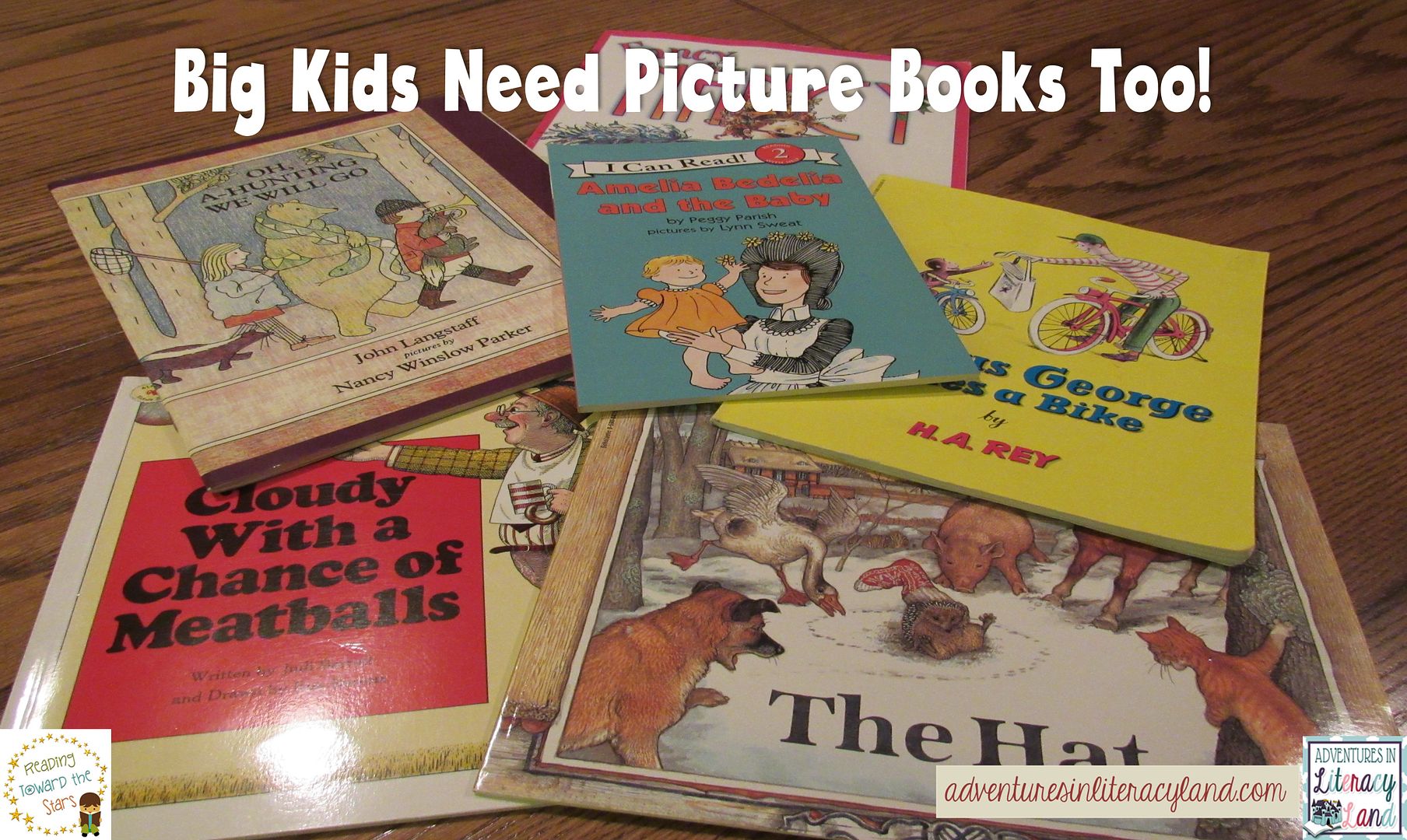
Big Kids Need Picture Books Too!

Hello, everyone! It's Andrea from Reading Toward the Stars!

Last weekend, I had the joy of presenting with my good friend and former author in Lit Land, Melissa from Don't Let the Teacher Stay Up Late on a topic that is near and dear to us.  Many times we forget that older students can and will read pictures books.  There are so many reasons for them, but I am going to highlight my top four.

So, why do big kids need picture books?


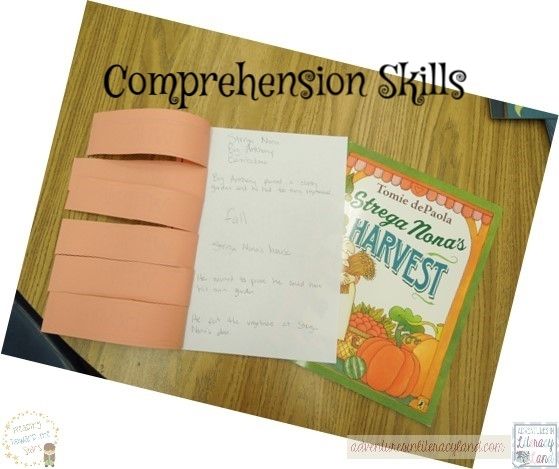
Picture books are great for so many comprehension skills for older students.  The simple plots help students see beyond the words and dig into the comprehension skills. I love using them for everything from simple plot elements to the more intense making inferences. ReadWorks has a plethora of awesome comprehension lessons that use picture books, a geat starting point!  Though you have to sign up to use it, it is completely free!


Picture books have a very rich vocabulary and are great for building that in so many ways. The book Baloney (Henry P.)  by Jon Scieska has words from other languages the students must figure out as they are reading it.  Many picture books help students learn new vocabulary through words and pictures.  How aswesome is that!


Picture books are geat for helping students become better writers. The letter above was written by some fourth graders after reading Dear Mrs. LaRue by Mark Teague.  The site Writing Fix has a ton of great writing mentor text lessons, and don't forget Read Write Think!

And finally!

Older students can be mesmerized by picture books.  What you can't see is the flock of students who are up in the front of the room listening to their fourth grade teacher share on of her favorite books. Big kids love these books for so many reasons.  Sometimes the picture books are actually meant for "big kids" too.

So, don't hold back! Read those pictures books with your older students! They won't forget it!


Fairy Tale Fun

Greetings Royal Reading Fans!

It's Jennifer from Stories and Songs in Second here to share some ideas about how to use a few different versions of one of my favorite stories to shake up your fairy tale unit this year!  I just love using folk and fairy tales as mentor texts for teaching a variety of literacy skills like character
point-of-view, vocabulary, story structure, compare/contrast and story sequence.

FAIRY TALE FUN


Fairy tales are so much fun! Students will love comparing and contrasting traditional and modern versions of Goldilocks using retelling stick puppets and Reader's Theater poetry!
Graphics by Pixabay, Paula Kim Studio, A Little Peace of Africa & KG Fonts


Last year, I discovered the "twisted tale" picture book series written by Nancy Loewen and illustrated by Tatevik Avakyan that offers young readers a new, modern, and humorous perspective of "the other side of the story!"


FRACTURED FAIRY TALES


Fairy tales are so much fun! Students will love comparing and contrasting traditional and modern versions of Goldilocks using retelling stick puppets and Reader's Theater poetry!


The focus of my post today is Believe Me, Goldilocks Rocks!--The Story of The Three Bears as Told by Baby Bear, and how it contrasts to two other favorite versions of this classic tale.  The story is told from Baby Bear's point-of-view and casts a more positive light on the actions of Goldilocks than the traditional tale.  The tone of the story is set when Baby Bear introduces himself as "Sam," and insists on not being called small, wee, or tiny. He also confesses that he just hates porridge, and would rather that Mama Bear serve breakfast burritos. He goes on to insist that Goldilocks is one of his best buddies, and certainly not the unwelcome house intruder everyone thinks she is.  He explains that she entered his house on a dare from Little Red Riding Hood--hereby referred to as "Little Miss Hoodie"--and was just going to stay long enough to snap a few cell phone pictures as proof and then be on her way.  Hilarious hijinks and lots of jumping on different-size beds ensue, with Sam and Goldie eventually exchanging phone numbers as she escapes through the forest.


COMPARE AND CONTRAST DIFFERENT VERSIONS OF THE SAME STORY


Fairy tales are so much fun! Students will love comparing and contrasting traditional and modern versions of Goldilocks using retelling stick puppets and Reader's Theater poetry!


After sharing this "fractured" version of the Goldilocks fairy tale, I read Jan Brett's beautifully illustrated and traditionally-told Goldilocks and the Three Bears aloud to my students.  Together we compare and contrast the characters, events, problems, and solution.  We practice retelling the story using story stick puppets and use the fun poem I wrote as a reader's theater and/or choral reading activity to help my students practice reading with fluency and expression.


RETELL THE STORY WITH STICK PUPPETS


Fairy tales are so much fun! Students will love comparing and contrasting traditional and modern versions of Goldilocks using retelling stick puppets and Reader's Theater poetry!


BUILD FLUENCY WITH PLAYS AND POEMS


Fairy tales are so much fun! Students will love comparing and contrasting traditional and modern versions of Goldilocks using retelling stick puppets and Reader's Theater poetry!


The last picture book I introduce to my class is Alma Flor Ada's Yours Truly, Goldilocks, which is a collection of correspondences between Goldilocks and some of her best friends who live in the Hidden Forest.  It begins with an invitation from Pig One, Pig Two, and Pig Three who would like her to attend their upcoming house warming party.  Little Red Riding Hood, Baby Bear, and Peter Rabbit have all RSVP'd as well, unaware that Wolfy Lupus an his cousin, Fer O'Cious, are planning to arrive at the party unannounced!  Thank goodness Mama Bear comes to the rescue of the invited guests just in time!   This book is a great way to introduce or review proper friendly letter format to your young writers, and you can use the blank templates included in this FREEBIE I created to help them respond to the story.

ENJOY ANOTHER FAIRY TALE FREEBIE!


Fairy tales are so much fun! Students will love comparing and contrasting traditional and modern versions of Goldilocks using retelling stick puppets and Reader's Theater poetry!


I hope that your students enjoy this non-traditional, and engaging exploration of Goldilocks stories! Fairy tales are rich in language and such a great way to expand student vocabulary.  Click {HERE} to see this literacy pack that features literacy enrichment activities for the three stories featured in this post.

EXPLORE MORE OF THE WOODS WITH GOLDILOCKS


Fairy tales are so much fun! Students will love comparing and contrasting traditional and modern versions of Goldilocks using retelling stick puppets and Reader's Theater poetry!


Be sure to check out my Pinterest board for more ideas on how to incorporate this fun and fascinating genre into your language arts lessons as well!


I would also love for you to follow me over on my blog, STORIES AND SONGS IN SECOND!  

Stop by to check out my posts AND subscribe to my weekly newsletter!


May all of your reading and writing lessons always have happy endings!


Setting Up for Close Reading {and tons of FREEBIES!!}

Hello Everyone!

 Laura here from Where the Magic Happens Blog.  A few weeks ago I was invited to present at the 2016 South Eastern Reading Recovery Conference in Myrtle Beach. I was actually invited by my favorite professor (and mentor) from grad school. To say that I was humbled and honored is an understatement.
I have HUGE respect for Reading Recovery teachers because they are the real deal.
They know the nitty- gritty.
The understand the reading and writing process better than anybody else.
Every single RR teacher that I have ever met radiates knowledge and wisdom.

So my initial thoughts were:
What do I have to offer to such a knowledgeable crowd?
What will I share with them if they already know it all?

Close reading. Yes, that was my topic.


Anyhow, one of the most recurring  questions in my sessions had to do with the things that I do to set up close reading routines with my firsties.
Well  let me ya...
According to  Fisher & Frey:
Close reading  is purposeful, and careful  repeated readings of a complex text.
As a result, it is important to remember:
Close Reading is challenging. As a teacher you need be able to model and show your students the differences with guided reading.

The very first time I attempted  close reading with my firsties, one of my sweet students told me that close reading is like peeling an onion because you uncover layers and layers.


Genius! Truly genius!

My wheels were turning.

Then, my sweet teacher friend Krystal from next door also mentioned that she had seen something similar on Pinterest where a teacher used an Oreo cookie to introduce close reading to her students.

 The wheels kept on turning. Then I figured I would do this:


Of course I thought about this like at 9:30 at night when I was taking a bath with calming oils.
I usually keep tangerines in my house for me and  my boys, but I was out. People at my school may have thought that I was going coo-coo when they received my text messages asking if they had tangerine oranges in their homes. My beautiful and stylish literacy coach even offered to stop by the grocery store to get fruit. So sweet. I ended up going to the closest Harris Teeter before school and I purchased a big bag of  "cuties."

But why a tangerine? And what does a tangerine have to do with the phases of close reading?

Let me begin by  showing you the phases of a close read:


Some researchers may use terms like cold read, hot read, or warm read to name the phases of close reading.
I particularly like how Fisher & Frey "spell out" the phases of a close read.
Anyways...


For stage one or "what does the text say" I took the tangerine out and asked the children questions like:
What is this?
What do you see?
And others that I don't quite recall at this moment.  I have reached  and age in which I forget a lot of things. You just cannot tell because I use really good skincare
Anyways...
Each pair of students got to hold one tangerine. After I asked each question, I gave my firsties 30 seconds to do a "think-pair-share." What is important to consider here is how all the questions are grounded on the  things that we can "see"  about the tangerine, just like the questions of a first read in a  close reading.


For stage two or "how does the text work" I asked my students to get the tangerine ready to eat. They had to peel it, get the pieces ready, and some of them even had to take some of those white strings off.
I asked questions like:
What would happen if you didn't peel your tangerine?
Why do we have to pull the little pieces apart?
What are your observations?
Just like in the second read where we discuss vocabulary, author's purpose, and my favorite: text structure.


For stage three or "what does the text mean" I asked the pairs to eat their tangerine. I asked them questions related to their thoughts about the tangerine:
What did it taste like and why?
For example.


For stage four or "what does the ext inspire you to do" I asked for their personal opinion about the tangerine using evidence from their experience.

Pretty neat. Kids loved it and made true connections to our goal: understanding the phases of close reading


But why going to all the trouble about finding tangerines for this activity in the middle of the night?
Very simple:


A couple of years ago I  decided that I was going to start a vegetable garden.  I bought books,  seeds, Honey Graham built two raised beds, and he ordered some manure enriched soil. This was close to our anniversary, so when my mom asked what gift I had received, I openly told her that he had given me a pile of sh.
Anyways...
Here I am with all this stuff in front of me and no tools. Not. A. Single. One.
Not a little shovel, nothing.
I had to go and find some little plastic shovels out of the boys' beach toys pile.
So what if I had done this wonderful tangerine lesson and my firsties had no idea what to do when I asked them to read closely.
Well first, let me tell you:
In the primary classroom, a close reading MUST be guided by the teacher the whole time. There is no sit over there with this paper and answer these questions. That is NOT a close read. I would call that a worksheet.
Isn't  our job to prepare kids for anything? Aren't we supposed to give them the tools to do so?

Well... same thing with a close read.


What is inside this jar?

  • Three markers: each marker is for the first three phases of a close read. I put these labels on each of the markers so the kids know what to do and when.

I am so sorry I do not have pictures of the labeled markers.

You may download this set of labels by clicking HERE!!! the labels are Avery 5160.

There is also a cool pencil, a cool eraser, and these bookmarks:


Yes! These three think marks are what research considers appropriate for a close read. You can download them by clicking on the picture


 These are the labels that you can put on the jars. You can get them by clicking HERE!
Oh, BTW... the jars came from Oriental Trading Company.


Oh anchor charts and Thinking Maps... how I love you so.
I am going to let these pictures of this anchor chart speak for themselves.


I am an anchor chart aficionado.  In my experience, they offer an opportunity for my students to process deeply when they are offered as an initial experience.


 In case you are interested, you can stop by my TPT store and check out  my close reading packs.
I hope that you have found these tips useful and they can help you set up classroom routines for your students.
Until next time!