A Quick & Easy Way to Teach Vocabulary


 I want to share my favorite vocabulary activity with you!  One of the great things about this Vocabulary Graphic Organizer is that it can be used K-5 and across all subject areas.  There is a free copy of the organizer later in this post.

I want to share my favorite vocabulary activity with you!  One of the great things about this Vocabulary Graphic Organizer is that it can be used K-5 and across all subject areas.  There is a free copy of the organizer later in this post.

Kids Creating: Games For Learning

How can you use games to help students practice literacy skills? In my classroom, students have been creating games to take home based on their needs.

My students love to play games, but I was struggling to keep up with them in terms of differentiation and keeping it fresh.  One morning on my way to work, I had a brainstorm: Why can't they help make games to meet their needs?!?

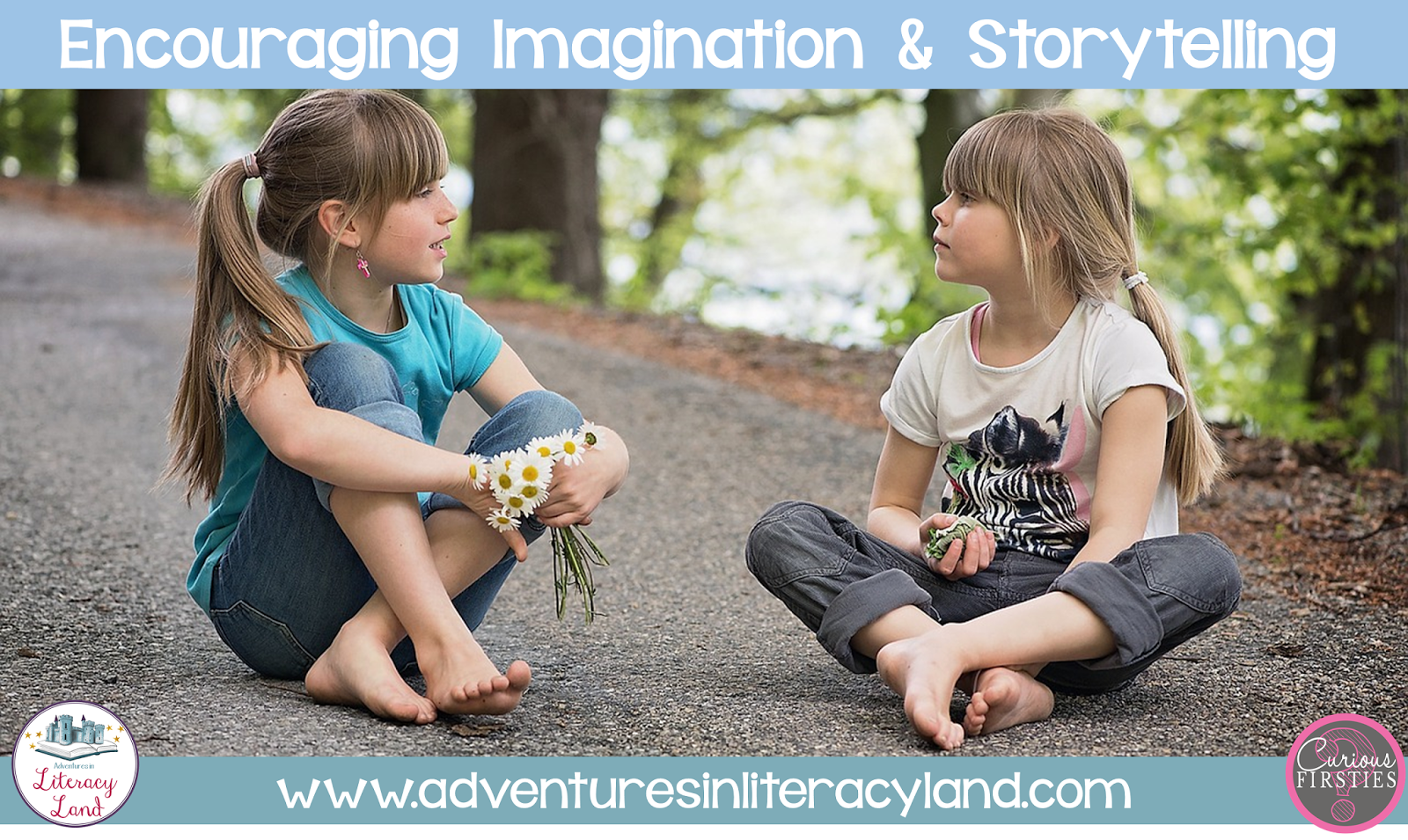
Encourage Imagination and Oral Storytelling with Spot

Encourage students and children to use their imagination to tell stories.  The Spot app provides a platform to support this.

With each new set of students that we meet each year, one thing has become increasingly evident: oral language needs to be strengthened.  This could be for a number of reasons: more screen time, meals on the go, less playtime (recess too), or other changes in a culture.  But regardless of the reasons, as teachers we have to support language development.  Without oral language skills, comprehension, writing, and math explanations are much more difficult.  So what can we do?

Five Unique Ways to Build Reading Fluency

Students' reading fluency develops just like bike riding skills. Our little ones start off reading word by word with occasional "falls", but with lots of practice, they gain speed and momentum to glide along and make meaning. This post includes lots of help for addressing reading fluency including freebies.

Reading is like riding a bike. You watch little ones beginning to ride a bike, they're wobbling all over the place. But as we practice and practice and practice, we don't even think about peddling anymore. Eventually we can ride with no hands. – G. Reid

Students' reading fluency develops just like bike riding skills. Our little ones start off reading word by word with occasional "falls", but with lots of practice, they gain speed and momentum to glide along and make meaning. The challenge of reading fluently requires several subskills in order for a reading to experience fluency success. What are those skills?